

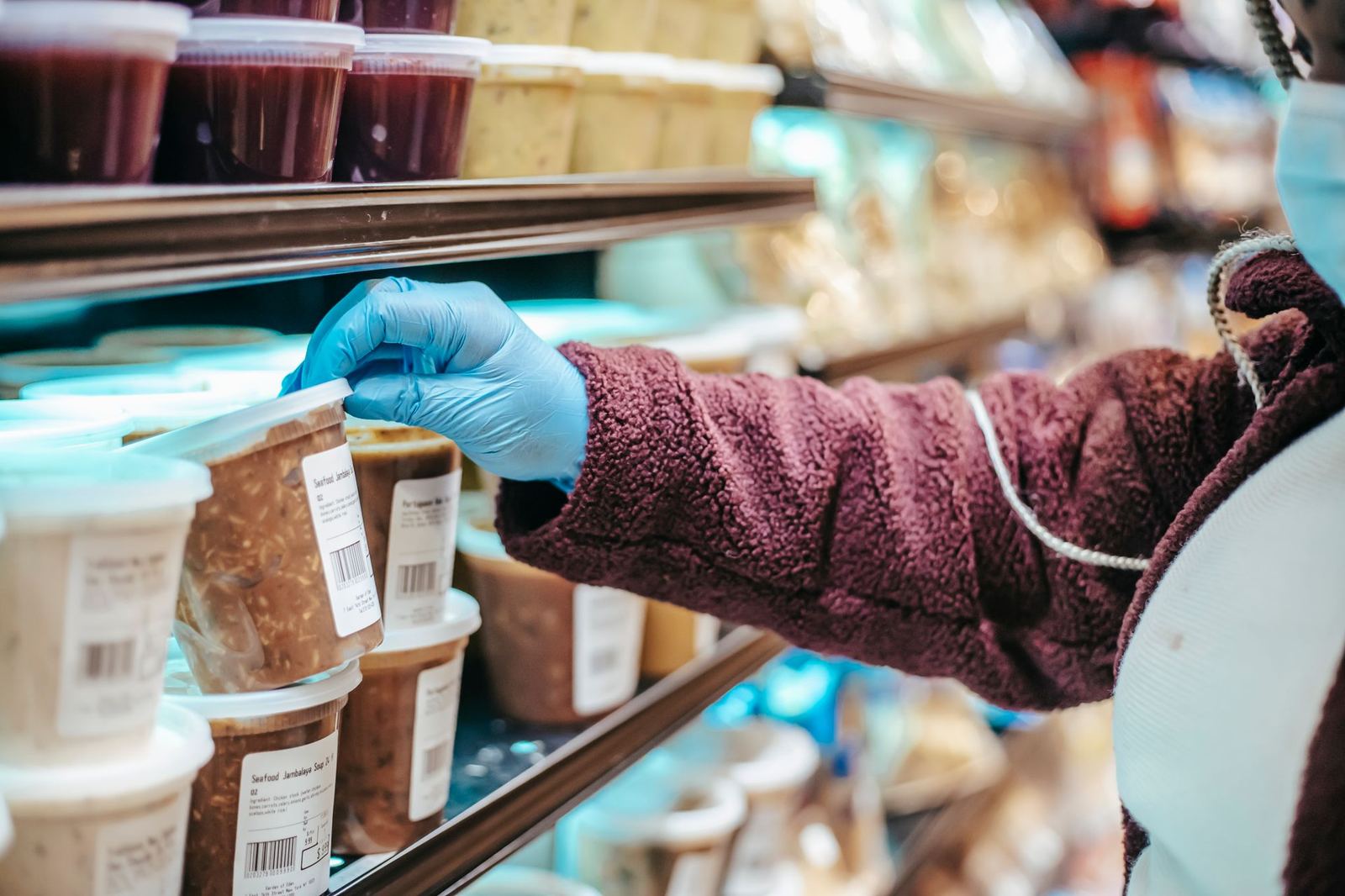
Hidden allergens, cross-contamination and label-reading tips; how allergen management works in the Öğünce kitchen.
For someone with a food allergy, reading labels is not a luxury but a matter of safety. The Turkish Food Codex Food Labelling Regulation applied in Türkiye requires 14 allergen groups to be stated on the label. In this guide we summarise how to read one.
The 14 allergen groups
- Cereals containing gluten (wheat, rye, barley, oats)
- Crustaceans and molluscs
- Eggs and fish
- Peanuts and soy
- Milk and lactose
- Tree nuts (almond, hazelnut, walnut, cashew, pistachio)
- Celery, mustard and sesame
- Sulphur dioxide and sulphites (above 10 mg/kg)
- Lupin
Where to look on the label
Allergens are shown in bold, underlined or in a different colour in the ingredients list. A "may contain" statement indicates possible cross-contamination on the production line and is not legally required; still, it is critical information for people with severe allergies.
Hidden allergens
- Soy sauce contains gluten and soy.
- Ready-made salad dressings may contain mustard, celery and milk.
- "Spice mix" can hide celery or mustard.
- Meatballs and nuggets that use breadcrumbs contain gluten and egg.
What is cross-contamination?
It occurs when the same counter, knife, pan or fryer is used for allergen and allergen-free foods. A product labelled gluten-free but prepared without separate equipment carries risk for people with coeliac disease. That is why certified gluten-free products must stay under the 20 mg/kg gluten limit.
How we do it at Öğünce
The label of every meal flags the 14 allergen groups. For coeliac and severely allergic subscribers we use a separate preparation area, separate knives and colour-coded cutting boards. Ingredient suppliers' declarations are archived by batch. Even so, we cannot guarantee that cross-contamination risk is zero; we ask severely allergic people to talk to us before subscribing.
In an emergency
If you see signs of an allergic reaction (shortness of breath, swelling of the face and lips, widespread hives), call 112 without delay. If your doctor has prescribed an adrenaline auto-injector, use it as instructed. This article is general information and does not replace medical advice.
Eating out
When eating out, always tell the waiter about your allergy and ask about the kitchen's cross-contamination precautions. A menu saying "allergen-free" is not a guarantee; shared fryers and shared pans are the most common sources of risk. Carrying a card that states your allergy in writing makes communication easier.